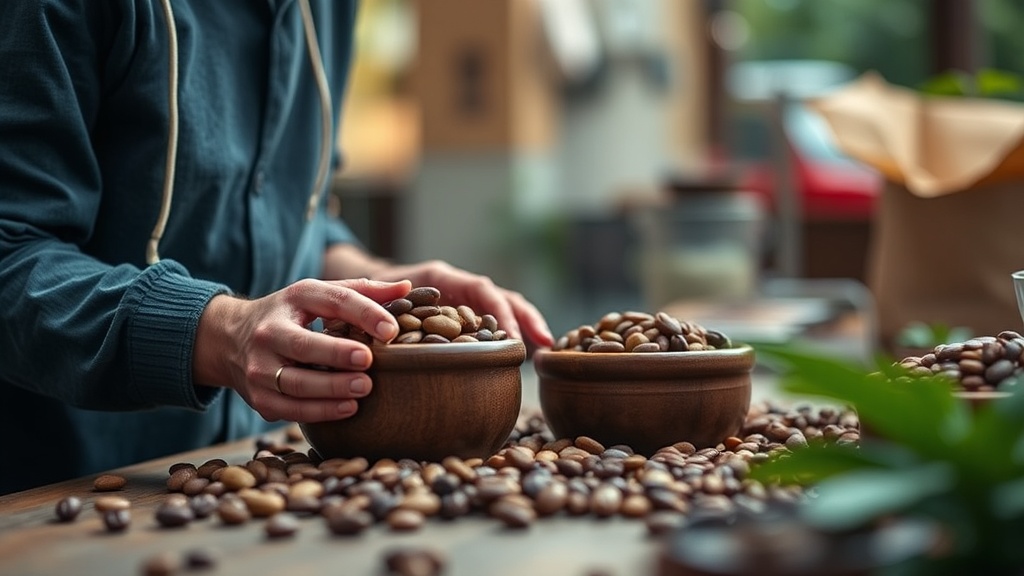
Sourcing Better Beans for Your Morning Ritual
Ever wonder why that expensive bag of coffee from the grocery store tastes like burnt rubber while the stuff from your local cafe tastes like blueberries? The difference usually comes down to how the beans were sourced, roasted, and handled before they ever hit your grinder. This post breaks down the nuances of coffee sourcing, from direct trade practices to the technicalities of organic certifications, so you can stop guessing and start buying better beans.
What is the Difference Between Fair Trade and Direct Trade?
Direct trade means the coffee roaster has a direct relationship with the farmer or the producer, often bypassing the traditional commodity markets. It's a more intimate way of sourcing that usually results in higher quality and better pay for the people growing the coffee. While Fair Trade is a specific certification with strict rules, direct trade is a business model that varies from one roaster to another.
Fair Trade certification is a structured program designed to ensure producers receive a minimum price for their crops, protecting them from market volatility. It's a great safety net, but it doesn't always guarantee the highest quality of specialty coffee. On the other hand, direct trade is often about quality and transparency. When a roaster like Stumptown Coffee Roasters or Counter Culture works directly with a farm, they aren't just checking a box—they're investing in specific lots of coffee that meet a certain flavor profile.
Here is how these sourcing models typically stack up:
| Feature | Fair Trade | Direct Trade |
|---|---|---|
| Primary Goal | Price stability and social welfare. | Quality control and specific flavor profiles. |
| Price Structure | Fixed minimum price plus premiums. | Negotiated prices based on quality. |
| Transparency | Highly regulated and standardized. | Variable; depends on the roaster's documentation. |
| Focus | Social and economic sustainability. | Agricultural excellence and micro-lots. |
Don't mistake one for "better" than the other. They serve different purposes in the global supply chain. If you want to support systemic social change, look for the Fair Trade seal. If you want the absolute best cup of coffee possible, look for roasters who talk about specific farms and harvest dates.
How Can You Identify High-Quality Coffee Beans?
Look for coffee that lists a specific farm, region, and harvest date on the packaging. High-quality coffee is defined by its traceability and the clarity of its flavor profile. If a bag only says "Medium Roast" or "South American Blend," you're likely looking at a commodity-grade product rather than specialty-grade coffee.
When you're browsing your local shop or an online store, look for these specific details on the label:
- The Variety: Is it a Bourbon, a Caturra, or a Geisha? Knowing the variety tells you a lot about the expected acidity and body.
- The Process: Was it washed, natural, or honey processed? This affects the texture and sweetness of the final cup.
- The Altitude: Coffee grown at higher altitudes (above 1,200 meters) generally has a more complex acidity.
- The Roast Date: This is the most important part. Coffee is a fresh product. If it doesn't have a roast date, don't buy it.
I always check the roast date first. Coffee starts losing its peak flavor profile almost immediately after being roasted. If you see a bag of beans that was roasted three months ago, leave it on the shelf. For the best results, you should aim to use your beans within two to four weeks of that date. If you're interested in how to get the most out of those beans once they're in your kitchen, check out my guide on brewing perfect coffee at home.
It's also worth noting that the packaging matters. Look for bags with one-way degassing valves. These allow carbon dioxide to escape without letting oxygen in—which is the enemy of freshness. If the bag is a simple plastic bag with no valve, the beans are likely stale-prone.
Does Organic Certification Affect Coffee Taste?
Organic certification ensures that no synthetic pesticides or fertilizers were used during the cultivation process, but it doesn't inherently change the flavor profile of the bean itself. A "dirty" farm can still produce a delicious coffee, but an organic farm guarantees a certain standard of environmental care. The taste is driven more by soil chemistry and processing methods than by the lack of chemicals.
There is a common misconception that organic coffee is automatically "better" tasting. That's not true. You can have a high-end, non-organic coffee that is spectacular, and a low-end organic coffee that is quite mediocre. However, for many people, the peace of mind regarding chemical exposure is a deciding factor. If you are concerned about the environmental impact of coffee farming, you might want to look into the Rainforest Alliance standards, which focus on biodiversity and farmer livelihoods.
The truth is, the most important thing to look for is transparency. A roaster who can tell you the name of the mill, the altitude of the farm, and the specific way the cherries were dried is a roaster who cares about quality. They aren't hiding behind vague terms. They are showing their work.
When you're shopping, keep these three tiers of sourcing in mind:
- Commodity Coffee: Large-scale, often blended, minimal information. Great for milk-based drinks where the coffee flavor is masked.
- Certified Coffee: Fair Trade, Organic, or Rainforest Alliance. Focuses on ethical standards and consistent quality.
- Specialty/Single-Origin: Highly specific, often micro-lot, with detailed flavor notes. This is where the real magic happens.
If you're looking to experiment with different flavors, you might eventually want to try making your own flavored coffee. Instead of buying pre-flavored bags (which are often low quality), you can look into creating custom coffee syrups to add your own flair to a high-quality base.
The world of coffee can feel overwhelming with all the jargon, but it really comes down to one thing: transparency. The more information you have about where your coffee came from, the better your morning ritual will be. Don't settle for a bag that's a mystery. Demand to know the farm, the process, and the roast date. Your palate will thank you.