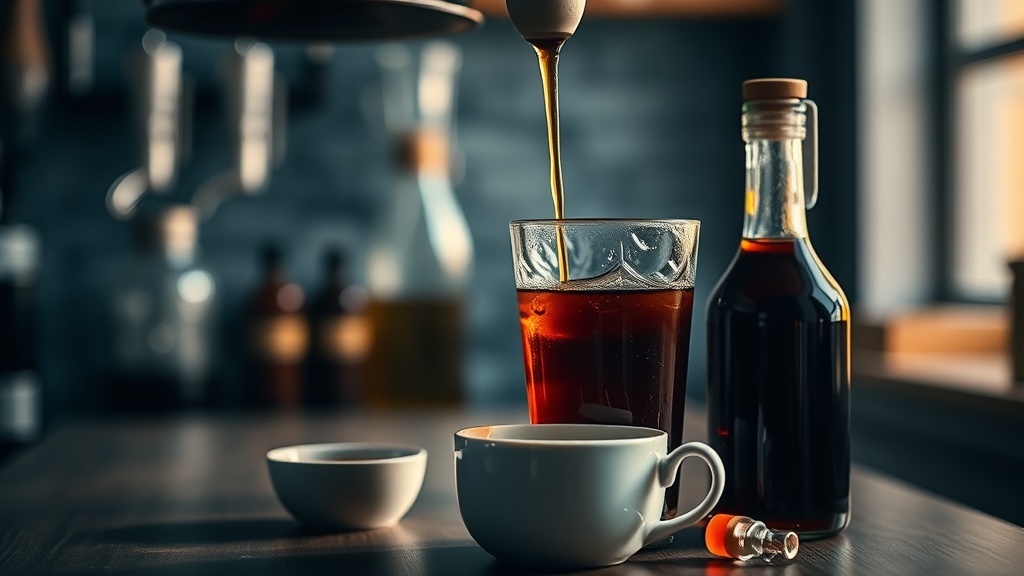
Creating Your Own Custom Coffee Syrups at Home

Most commercial coffee syrups contain up to 50 grams of processed sugar per serving, often paired with artificial preservatives that linger on the palate. This guide breaks down how to craft high-quality, homemade syrups using real ingredients like fresh herbs, spices, and fruit. You'll learn the ratios for simple syrups, how to infuse flavors without a lab-grade setup, and how to store your creations safely in a standard kitchen.
Making your own syrup isn't just about saving money. It's about control. When you buy a bottle of Monin or Torani at the grocery store, you're getting a standardized, shelf-stable product. When you make it at home, you decide exactly how much vanilla bean or how much cinnamon goes into the pot.
How Much Sugar and Water Do I Need for Simple Syrup?
The standard ratio for a simple syrup is one part sugar to one part water. This creates a 1:1 ratio that dissolves easily and provides a consistent sweetness level for iced lattes or cold brews.
There are actually two main types of syrups you can make depending on the texture you want for your coffee. If you want a thicker, more viscous liquid that stands up to heavy cream, you'll want to use a 2:1 ratio (two parts sugar to one part water). This is often called "rich simple syrup."
Common Syrup Ratios:
| Syrup Type | Ratio (Sugar:Water) | Best Use Case |
|---|---|---|
| Standard Simple Syrup | 1:1 | Iced coffee, tea, and light cocktails |
| Rich Simple Syrup | 2:1 | Lattes, heavy cream-based drinks, and dessert coffee |
| Demerara/Brown Sugar Syrup | 1:1 (with brown sugar) | Caramel-style notes and autumnal drinks |
I usually stick to the 1:1 ratio for most of my morning drinks. It's easier to dissolve and doesn't feel quite as heavy on the tongue. If you're making a drink that's quite strong, like a double shot of espresso over ice, a 1:1 ratio won't overwhelm the coffee's natural acidity.
What Ingredients Work Best for Infusing Flavor?
Natural ingredients like whole spices, citrus peels, and fresh botanicals provide the most complex flavor profiles. Instead of using synthetic extracts, you can use the same high-quality ingredients you'd find in a professional kitchen.
Here are a few categories of ingredients that work beautifully:
- Whole Spices: Cinnamon sticks, star anise, cardamom pods, and whole cloves. These are incredibly forgiving and don't require much precision.
- Fresh Aromatics: Fresh ginger root, rosemary sprigs, or even a bit of thyme. (Note: If you use herbs, be sure to strain the liquid through a fine-mesh sieve to remove any tiny bits).
- Citrus: Orange or lemon peels (avoid the white pith, as it's bitter).
- Vanilla: Real vanilla beans or high-quality vanilla beans.
If you've ever experimented with making your own infused oils, you'll find the infusion process for syrup is very similar. The main difference is that you're using a water-based medium rather than oil. The goal is to extract the essence of the ingredient without overcooking it into something bitter.
The Step-by-Step Process
- Combine: Place your sugar and water in a small saucepan.
- Heat: Bring the mixture to a gentle simmer over medium heat. Do not let it reach a rolling boil; a hard boil can actually change the flavor of the sugar.
- Infuse: Add your aromatics (like a cinnamon stick or a piece of ginger) once the sugar has fully dissolved.
- Steep: Remove from heat and let the aromatics sit in the syrup as it cools. This is where the magic happens.
- Strain: Pour the mixture through a fine-mesh strainer or a piece of cheesecloth into a clean glass bottle.
- Cool: Let it reach room temperature before sealing the container.
One thing to watch out for: don't over-steep your spices. If you leave star anise in a hot syrup for too long, it can become quite medicinal. It's better to under-flavor and add more later than to ruin a whole batch because it's too intense.
How Long Does Homemade Coffee Syrup Last?
Homemade syrups typically last between two to four weeks in the refrigerator. Because you aren't using the heavy-duty preservatives found in commercial brands, you have to be mindful of shelf life and storage conditions.
The lifespan of your syrup depends heavily on the ingredients you used. A plain vanilla or cinnamon syrup will last longer than a syrup made with fresh fruit or milk-based additives. If you're using fresh fruit, I'd recommend using it up within seven days or freezing the syrup in ice cube trays. According to the FDA, food safety is all about temperature and moisture; since your syrup is a high-sugar environment, it is naturally more stable, but it isn't invincible.
To keep your syrup fresh, follow these rules:
- Use Glass: Glass bottles (like a clean-out repurposed maple syrup bottle or a small swing-top bottle) are better than plastic. They don't leach flavors and are easier to clean.
- Keep it Cold: Always store your infused syrups in the refrigerator.
- Avoid Contamination: Never pour leftover coffee or milk into your syrup bottle. Even a tiny bit of organic matter can cause mold to grow rapidly.
If you see any cloudiness or unusual sediment forming in the bottle, throw it out. It's not worth the risk of a bad batch.
If you're looking to refine your coffee-making skills further, you might want to check out my guide on the art of brewing. A great syrup can't save a bad cup of coffee, but a well-made one can certainly highlight the nuances of a good roast.
One thing to keep in mind is that the texture of your syrup will change based on the sugar you choose. White granulated sugar is neutral. Brown sugar adds a molasses-like depth. Coconut sugar adds a toasted, earthy vibe. You can even use agave or maple syrup for a different viscosity, though the ratios might need a slight adjustment to ensure they stay liquid when cold.
For a quick flavor boost, try making a "Vanilla Bean" version. Instead of using cheap imitation extract, split a real vanilla bean lengthwise and drop it directly into your simmering sugar water. The tiny black specks (the vanilla caviar) will settle at the bottom of your bottle, which looks beautiful and provides a much more intense, authentic aroma than anything you'll find in a plastic bottle at the store.
Steps
- 1
Prepare Your Base
- 2
Infuse the Flavor
- 3
Strain and Cool
- 4
Store Properly