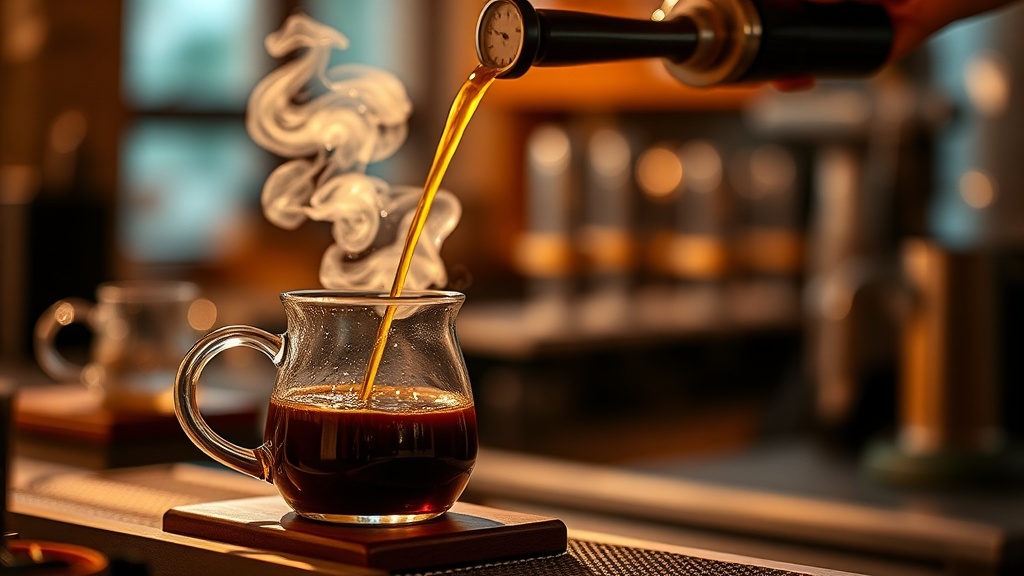
The Art of Brewing: Essential Techniques and Tips for the Perfect Cup

Brewing the perfect cup of coffee is an art. With the right techniques and tools, you can elevate your coffee experience to new heights. Whether you're a seasoned barista or just starting your coffee journey, mastering the brewing process is key to unlocking the full potential of your beans.
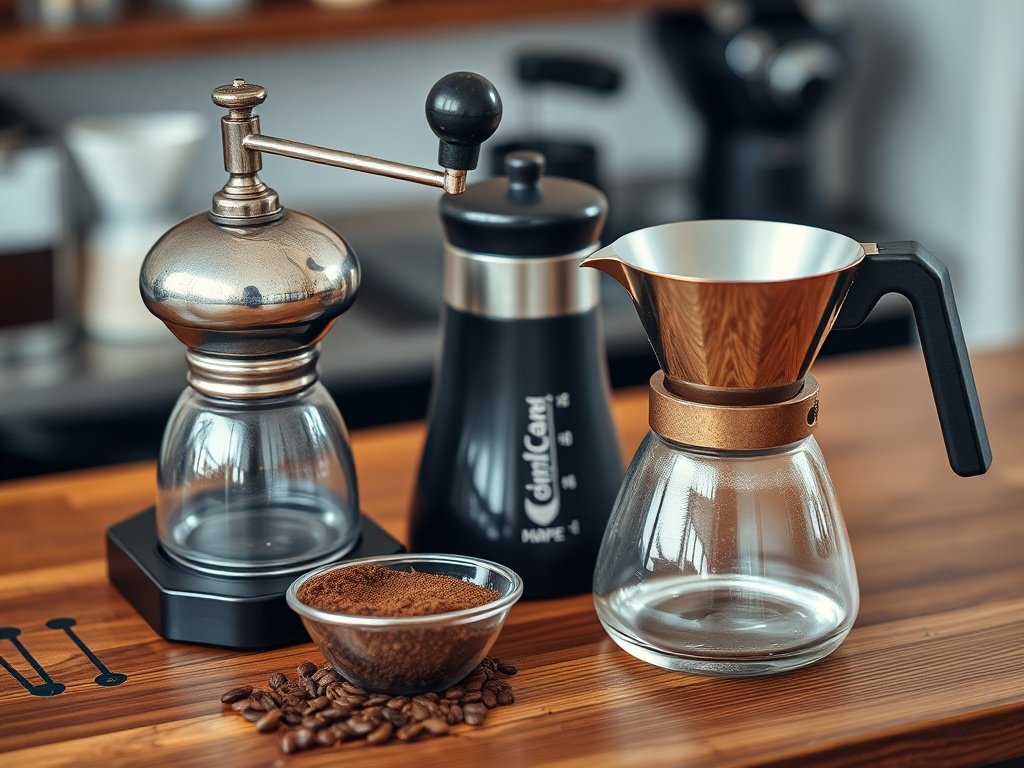
In this post, we’ll cover some essential brewing techniques, tips for perfecting your cup, and the importance of different coffee-making methods. So, let’s dive in!
Understanding Coffee Beans
Before we dive into the brewing techniques, it’s important to understand your coffee beans. The flavor of your coffee depends heavily on the beans you choose. Here are a few key points to consider:
- Origin: Coffee beans come from different regions, and each region produces beans with unique flavors.
- Roast Level: Coffee beans are roasted at various levels. Light roasts have fruity, acidic notes, while dark roasts are rich and bold.
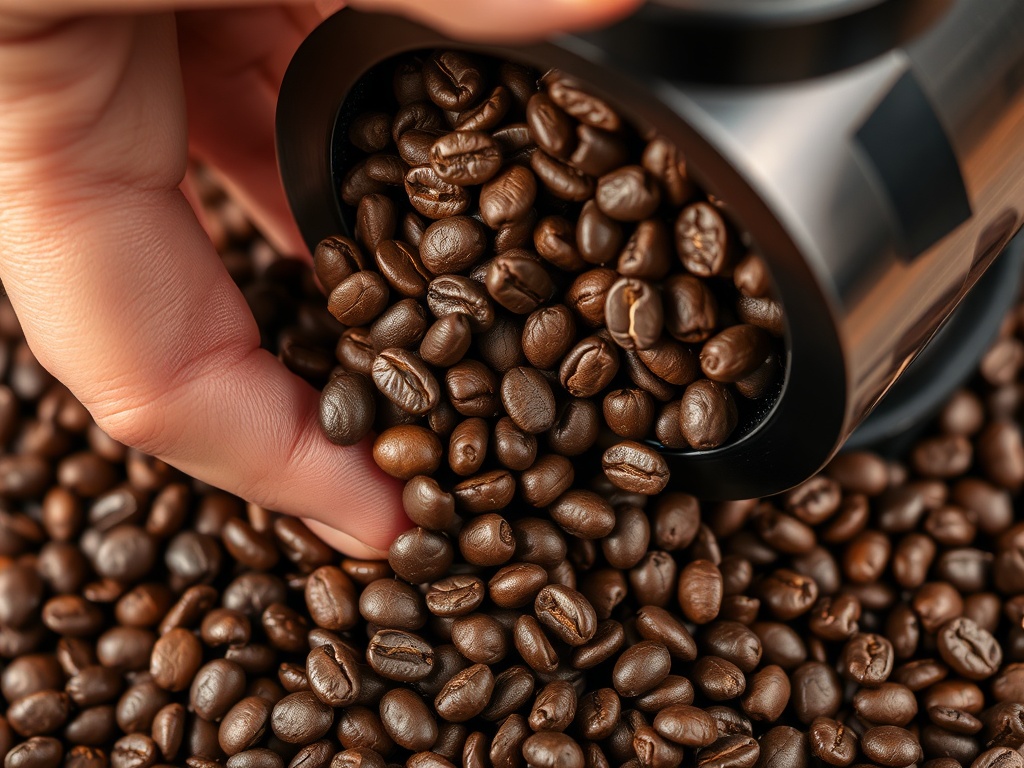
- Freshness: Freshly ground beans will always taste better than pre-ground coffee. Grind your beans just before brewing for the best flavor.
The Different Brewing Methods
There are several brewing methods to choose from, each offering a different taste profile. Let’s explore some of the most popular methods:
1. Drip Coffee Maker
The drip coffee maker is one of the most common brewing methods. It’s convenient and simple, making it ideal for those who want a quick cup of coffee.
- Pros: Easy to use, consistent results.
- Cons: Can lack the complexity of other methods.
2. French Press
The French press, also known as a press pot or plunger pot, is a manual brewing method that uses steeping to extract flavor from the coffee grounds. It’s known for producing a rich, full-bodied cup.
- Pros: Full-bodied, flavorful coffee.
- Cons: Can be a bit messy, requires more attention to detail.
3. Pour-Over
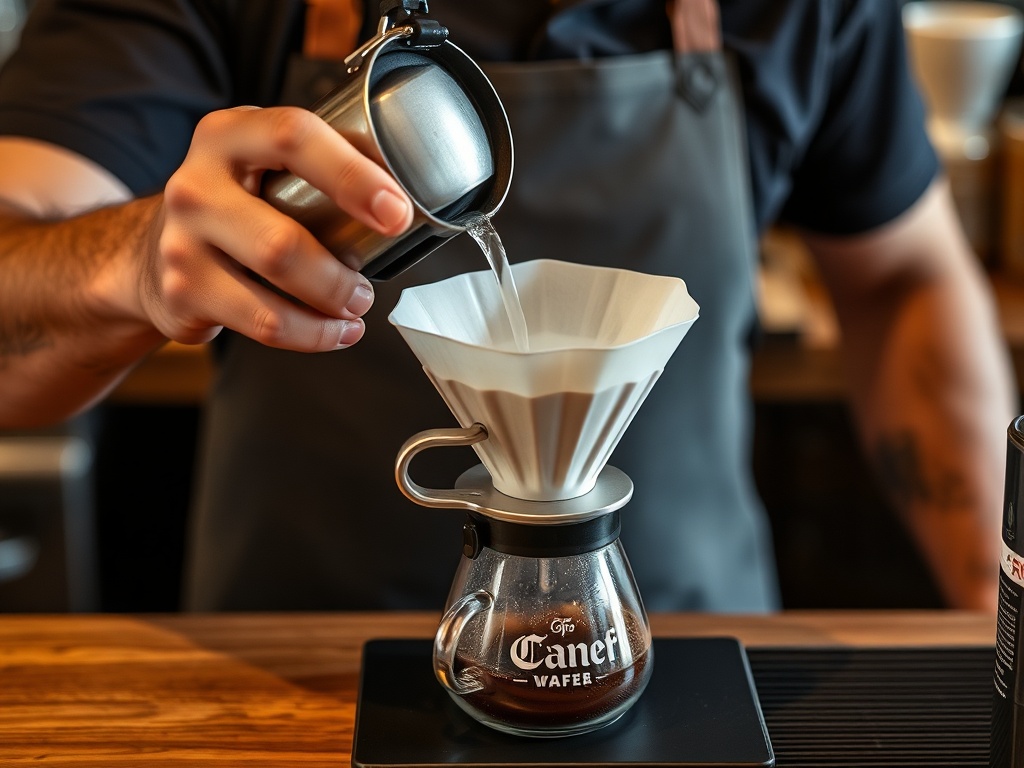
The pour-over method involves slowly pouring hot water over coffee grounds in a filter. This method gives you complete control over the brewing process, resulting in a clean, flavorful cup.
- Pros: Control over brewing time and temperature, clean flavor.
- Cons: Requires more time and attention.
4. Espresso Machine
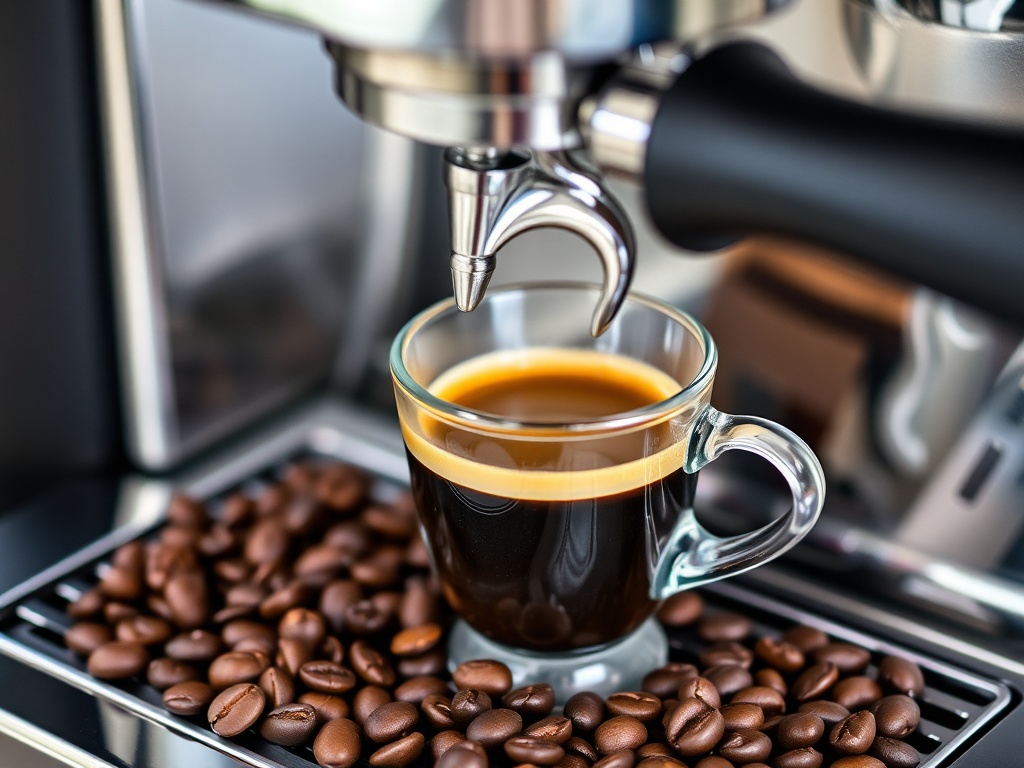
Espresso is the foundation of many coffee drinks, such as lattes and cappuccinos. An espresso machine forces hot water through finely-ground coffee beans at high pressure, creating a concentrated shot of coffee.
- Pros: Strong, concentrated flavor, foundation for various coffee drinks.
- Cons: Expensive equipment, requires knowledge and experience.
Perfecting Your Brew
Now that we’ve explored the different brewing methods, let’s talk about perfecting your cup of coffee. Here are a few tips:
- Measure Your Coffee: The ideal coffee-to-water ratio is 1:15 to 1:18. Use a scale to measure both the coffee and water for consistency.
- Control the Water Temperature: Water that’s too hot or too cold can negatively impact the taste of your coffee. The ideal temperature is between 195°F and 205°F (90°C and 96°C).
- Use Filtered Water: The quality of the water you use affects the taste of your coffee. Always use filtered water for the best results.
- Experiment: Don’t be afraid to experiment with grind sizes, brewing times, and coffee-to-water ratios. Everyone’s taste preferences are different, and finding your perfect brew takes time.
Conclusion
Brewing the perfect cup of coffee requires attention to detail, but the results are worth it. Whether you prefer a simple drip coffee or a complex espresso, the key is to experiment, use fresh ingredients, and find what works best for you. Happy brewing!