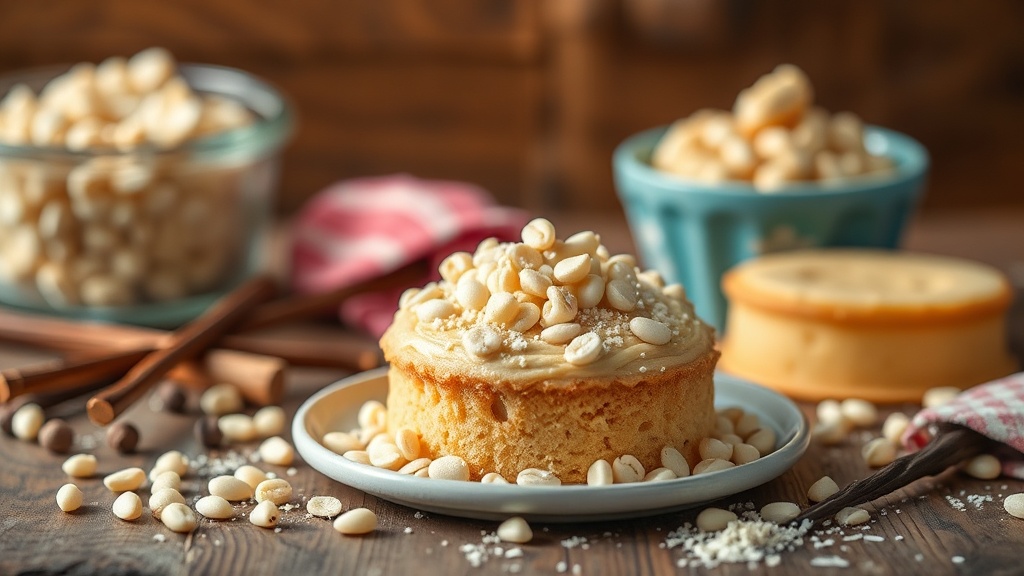
Vanilla Bean Secrets and Substitutes for Better Baking

Have you ever wondered why your homemade vanilla cake tastes a little flat despite following a recipe to the letter? The secret usually isn't in the flour or the sugar; it's in the quality and type of vanilla you're using. This post breaks down the differences between vanilla extracts, pastes, and beans, and how to choose the right substitute when you're mid-bake.
Vanilla is the backbone of baking. It's that subtle, aromatic layer that rounds out the edges of sweetness. Without it, your desserts might feel one-dimensional. We're going to look at the science of vanilla, how to spot high-quality ingredients, and how to swap things out without ruining your bake.
What Is the Difference Between Vanilla Extract and Vanilla Bean Paste?
Vanilla extract is a liquid infusion of vanilla beans in alcohol, while vanilla bean paste is a thicker, more concentrated mixture of vanilla bean pieces and syrup. If you want a subtle flavor, go with the extract. If you want those beautiful black specks and a punchy, intense aroma, you need the paste.
Extracts are the standard for a reason. They're easy to measure and widely available. However, many home bakers find that high-end extracts, like those from Nielsen-Massey, offer a much more complex profile than the cheap imitation stuff found in the baking aisle of a big-box store. Imitation vanilla is usually made with vanillin, a synthetic compound that mimics the scent but lacks the depth of the real thing.
Bean paste, on the other hand, is a bit of a luxury. It's essentially a concentrated version of the real deal. It's perfect for when you want that visual "wow" factor in a custard or a frosting. It's also a great way to ensure your vanilla flavor doesn't get lost in heavy batters. (Just a heads up: because it's thicker, it might not disperse as easily in a thin liquid, so give it a good whisk.)
When you're looking at labels, keep an eye on the ingredients. Real vanilla should list vanilla extract or vanilla bean as the primary ingredient. If it says "artificial flavor," you're getting a chemical approximation. You can check the FDA guidelines on food labeling to understand how these ingredients are supposed to be declared.
Vanilla Flavor Profiles at a Glance
| Type | Texture | Visuals | Best For |
|---|---|---|---|
| Pure Extract | Thin Liquid | Clear/Brown | Standard baking, thin batters |
| Vanilla Bean Paste | Thick/Syrupy | Black Specks | Frostings, custards, gourmet desserts |
| Vanilla Powder | Fine Powder | Light Brown | Dry mixes, no-liquid recipes |
| Imitation Vanilla | Clear Liquid | Clear | Budget-friendly, high-volume baking |
How Much Does Vanilla Bean Paste Cost?
Vanilla bean paste is significantly more expensive than standard extract because of the labor-intensive process of harvesting and prepping the actual beans. While a standard bottle of extract might run you $10 to $15, a high-quality jar of bean paste can easily climb to $30 or $40 depending on the brand and volume.
It's a higher upfront cost, but you're paying for the concentration. A single teaspoon of high-quality paste often does the heavy lifting of two or three teaspoons of a lower-grade extract. Think of it as a concentrated flavor hit. If you're making a large batch of cookies, the cost per serving stays relatively low, but for a single cake, it's an investment in quality.
If you find yourself using vanilla in almost every recipe—from your morning oatmeal to your evening cakes—buying in bulk can help. But for most home cooks, buying a single, high-quality bottle of McCormick or Nielsen-Massey is plenty. It's better to have one great bottle than three mediocre ones. It's a small detail, but it makes a massive difference in the final taste.
One thing to watch out for: vanilla prices fluctuate wildly based on global harvests in Madagascar and other regions. If you see a great deal on real vanilla bean paste, grab it. It won't go bad quickly if kept in a cool, dark place.
What Are Good Substitutes for Vanilla Extract?
The best substitute for vanilla extract depends entirely on what you are making and what you have in your pantry. If you're making a delicate custard, you'll want something that mimics the warmth of vanilla, whereas a cookie recipe might handle a different flavor profile more easily.
Here are the most common ways to pivot when you run out:
- Maple Syrup: This is a fantastic substitute for vanilla in cakes and breads. It adds a similar warmth and sweetness, though it will add more moisture and a distinct maple flavor.
- Honey: Use honey if you want to maintain a subtle, sweet undertone. It's a bit heavier than vanilla, so adjust your liquid measurements slightly.
- Almond Extract: Be careful here. Almond extract is much stronger and has a very distinct "marzipan" flavor. Use only a tiny fraction of what the recipe calls for.
- Bourbon or Brandy: If you are making a recipe that involves cooking (like a sauce or a baked pudding), a splash of high-quality bourbon can provide that deep, woody aroma that vanilla usually provides.
The catch? Most substitutes change the flavor profile. If you use almond extract instead of vanilla in a vanilla bean cake, it's no longer a vanilla cake—it's an almond cake. If the recipe is very flavor-forward, like a vanilla bean cupcake, a substitute might actually be a disservice to the dish.
If you're working with savory-leaning sweets, like a salted caramel, using a bit of dark rum or even a high-quality molasses can work wonders. It's all about the way the flavor interacts with the fats and sugars in your batter. You can learn more about how different flavors interact with fats and proteins through scientific studies on flavor perception.
Sometimes, you don't even need a substitute. If a recipe calls for vanilla and you're out, you can often just omit it. In a recipe where vanilla is just a background player—like a basic chocolate cake—the lack of vanilla won't be a dealbreaker. It's the "supporting actor" role that is most affected.
When you're experimenting with flavors, remember that vanilla is a "bridge" flavor. It connects the sugar to the other ingredients. If you remove the bridge, you need to make sure the other ingredients can stand on their own. This is why many professional bakers often pair vanilla with a pinch of salt to highlight the existing flavors.
If you're interested in how to build complex flavors from scratch, you might enjoy looking into making your own infused oils. While it's a different technique, the principle of using a base liquid to carry a flavor is very similar to how vanilla extract works.
Ultimately, the quality of your vanilla dictates the "soul" of your bake. Don't settle for the cheapest option if you're making something special. The difference between a "good" cake and a "memorable" cake is often just a few drops of the good stuff.