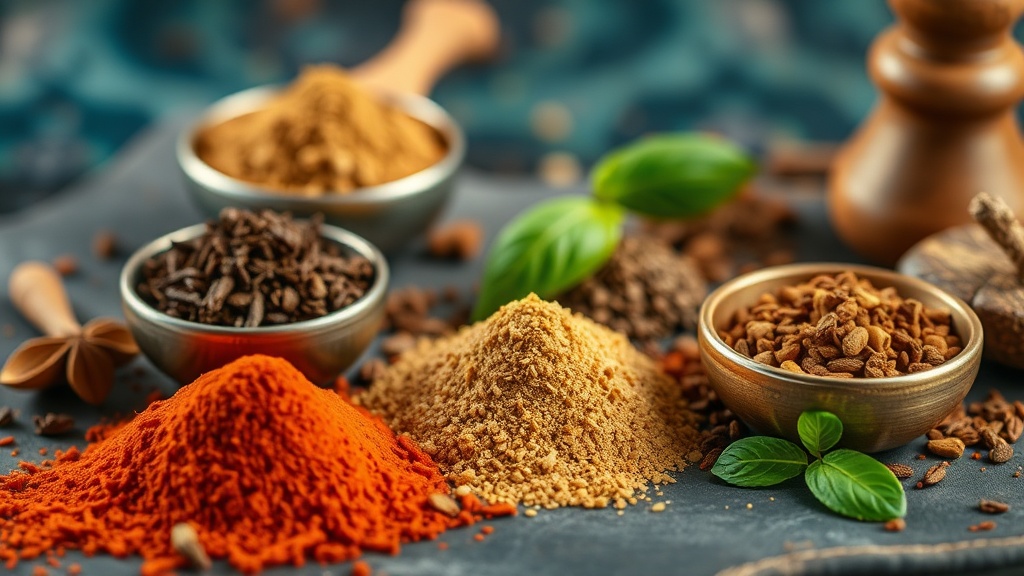
7 Rare Spices to Elevate Your Home Kitchen

Smoked Paprika for Depth
Sumac for Tangy Brightness
Star Anise for Warmth
Turmeric for Earthy Color
Cardamom for Aromatic Sweetness
Saffron for Luxury
Fenugreek for Savory Richness
Most home cooks believe that a standard spice rack filled with black pepper, cinnamon, and dried oregano is enough to create complex flavors. That's a mistake. While those basics are fine for everyday cooking, they won't give you the depth found in professional kitchens or high-end restaurants. This post looks at seven specific, rare spices that change the way you season food, from savory meats to sweet desserts.
What are the most unique spices for home cooks?
The most unique spices for home cooks are those that offer a distinct flavor profile not found in standard grocery store aisles, such as Sumac, Mahleb, or Grains of Paradise. These ingredients move beyond simple heat or sweetness to provide acidity, floral notes, or complex woodiness. Instead of relying on salt and pepper alone, these spices add layers to your cooking.
Let's look at the heavy hitters. If you're tired of your dishes tasting "flat," these are the ingredients that fix that problem.
1. Sumac
Sumac is a deep red powder made from dried berries that provides a sharp, citrusy tang. It's not a heat-based spice; it's an acidic one. If you've run out of lemon juice or want to add brightness to a dish without adding liquid, this is your best friend. It works beautifully on roasted vegetables, hummus, or even sprinkled over a piece of grilled fish.
I love using it on roasted chickpeas for a bit of crunch and zest. It's a staple in Middle Eastern cuisine and adds a brightness that vinegar sometimes lacks. You can find high-quality sumac through brands like Saffron Spice or specialized Mediterranean importers.
2. Mahleb
Mahleb is a stone-fruit kernel spice that sits somewhere between bitter almond and cherry. It has a very specific, heady aroma that works best in baked goods. It's quite rare in the US, but it's a secret weapon for anyone who loves baking bread or pastries.
You'll want to use it sparingly because the flavor is potent. It's perfect for a spiced holiday bread or even a vanilla-based cake. If you're already making perfect sourdough starter at home, try incorporating a tiny bit of crushed mahleb into your dough for a subtle, nutty complexity.
3. Grains of Paradise
Often confused with black pepper, Grains of Paradise actually belong to a different family. They offer a heat that is much more nuanced—think citrus, ginger, and a hint of jasmine. It's a more sophisticated way to add "bite" to a dish without the blunt force of a heavy chili pepper.
These are wonderful in savory rubs for steak or even in a spiced gin cocktail. They add a warmth that lingers on the tongue without burning the palate. It's a subtle, elegant way to add depth to a sauce.
| Spice | Primary Flavor Profile | Best Used In |
|---|---|---|
| Sumac | Tart, Citrusy, Bright | Salads, Roasted Veggies, Fish |
| Mahleb | Almond, Cherry, Floral | Breads, Cakes, Pastries |
| Grains of Paradise | Citrus, Ginger, Peppery | Steaks, Gin, Savory Rubs |
| Urfa Biber | Smoky, Raisin-like, Earthy | Dark Chocolate, Stews, Eggs |
4. Urfa Biber
Urfa Biber is a Turkish chili flake that has been dried and cured to achieve a dark, almost purple color. It isn't just "spicy." It has a deep, smoky sweetness that reminds me of raisins or dried plums. It's a great way to add heat while also adding a rich, savory dimension to a dish.
It's incredible when sprinkled over a fried egg or stirred into a dark chocolate ganache. The texture is also a bit more oily and lush than standard red pepper flakes. It adds a much more complex finish to a meal.
5. Long Pepper
If you think black pepper is the peak of heat, you haven't tried Long Pepper. It looks like a tiny, elongated pinecone and has a much more intense, earthy heat than standard peppercorns. It's more complex—think of a combination of black pepper, nutmeg, and a hint of cinnamon.
Because it's a whole spice, it's best to grind it fresh using a mortar and pestle. It works exceptionally well in slow-cooked stews or heavy braises where the heat can develop over time. It's a bit more "old world" and definitely adds a sense of history to your cooking.
6. Black Garlic (Powdered or Whole)
Technically, this is fermented garlic rather than a dried spice, but in the world of high-end seasoning, it functions like one. The fermentation process removes the harsh, biting sulfur smell of raw garlic and replaces it with a sweet, balsamic-like richness. It's umami in a jar.
You can buy it as whole cloves or as a fine powder. I find the powder much easier to work with for seasoning meats or making a quick compound butter. It adds a depth of flavor that is hard to replicate with anything else. It's almost like a savory version of molasses.
7. Amchur
Amchur is a powder made from dried green mangoes. It is a staple in Indian cooking and provides a very specific kind of sourness. Unlike lemon juice, which adds liquid and acidity, Amchur adds a dry, tart punch. This makes it ideal for spice rubs or dry seasonings where you don't want to mess up the moisture levels of a recipe.
It's particularly good in marinades or sprinkled over roasted cauliflower. It has a way of cutting through heavy, fatty foods that is quite remarkable. It's a very efficient way to brighten a dish without making it "wet."
How much does rare spice cost?
The cost of rare spices varies wildly depending on the source and the rarity of the harvest, but you can generally expect to pay anywhere from $8 to $25 for a small jar. While these are more expensive than a standard jar of cumin, the amount you actually use in a single recipe is usually quite small. It's an investment in flavor rather than a bulk purchase.
Buying in small quantities is often the smartest move. You don't want to buy a massive bag of something like Mahleb only to have it sit in your pantry for three years losing its potency. For more information on the botanical origins of these spices, you can check out the Wikipedia entry on spices to see how they are classified.
A few tips for buying and storing these:
- Buy whole whenever possible: If you can get whole long pepper or whole grains of paradise, do it. The flavor is much better when you grind it yourself.
- Check the color: For spices like Sumac or Urfa Biber, the color tells you a lot about freshness. If the Sumac looks dull and brown, it's likely old and lost its zing.
- Store in cool, dark places: This goes without saying, but keep them away from the stove. Heat is the enemy of even the best spices.
When you start using these ingredients, you'll notice a difference in how your food tastes. You aren't just adding heat; you're adding character. It's a different way of thinking about seasoning—moving away from "how much salt" to "what kind of flavor profile am I building?"
The next time you're making a standard recipe, don't just reach for the salt. Think about whether a bit of acidity from Sumac or a smoky depth from Urfa Biber might actually make the dish more interesting. It's a small change that makes a massive difference in the final result.