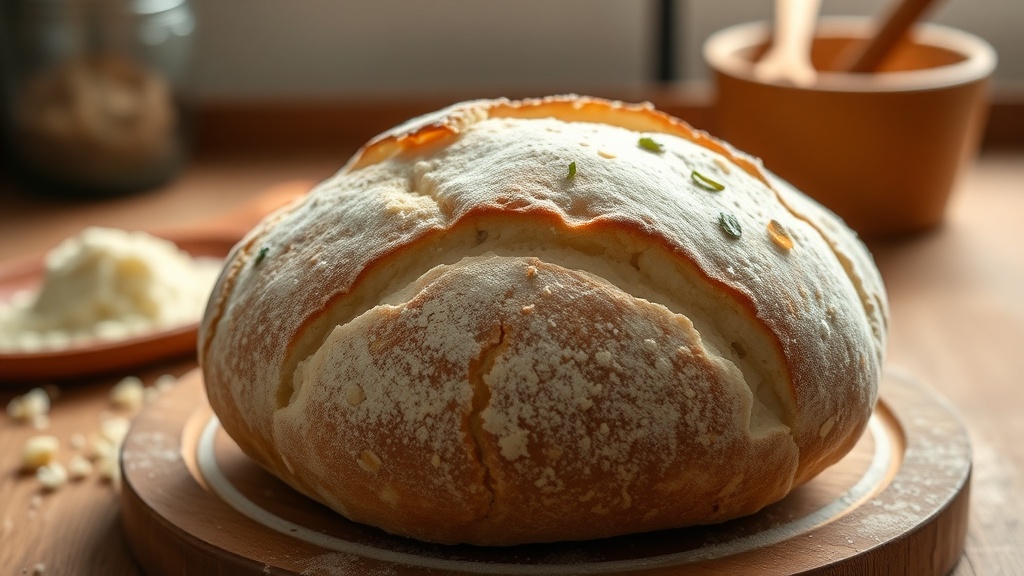
Making Perfect Sourdough Starter at Home

A kitchen counter sits quiet under the moonlight, holding nothing but a glass jar and a dusting of flour. Inside that jar, microscopic life is waking up. This process of cultivating a sourdough starter is the foundation of artisanal baking, turning simple flour and water into a living, breathing engine for bread. This guide breaks down the exact steps to build, feed, and maintain your own wild yeast culture from scratch.
Most people assume you need to buy a pre-made culture, but that's a mistake. You can create a starter using just flour and water. It takes time, a bit of patience, and a very strict feeding schedule. If you follow these steps, you'll have a bubbly, active starter ready for your first loaf in about seven to ten days.
What Ingredients Do I Need for Sourdough Starter?
You only need high-quality flour and filtered water to begin. While any flour works, using a combination of whole grain and white flour provides the best results for beginners. I recommend using a high-protein flour like bread flour or a stone-ground rye to kickstart the fermentation process.
The water is just as important as the flour. If your tap water contains heavy amounts of chlorine, it can actually inhibit the growth of the wild yeast. If you aren't sure about your water quality, let a pitcher of tap water sit out on the counter overnight—this allows the chlorine to dissipate—or use filtered water from a Brita pitcher.
The Basic Toolkit:
- A Glass Jar: A wide-mouth Mason jar or a Weck jar works best. You want to be able to see the bubbles through the glass.
- A Digital Scale: Don't use measuring cups. Volume is too inconsistent for sourdough. A scale provides the precision needed for consistent results.
- A Spatula: A small silicone spatula is perfect for stirring the thick paste.
- The Flour: I suggest a mix of King Arthur Unbleached All-Purpose Flour and a bit of Rye or Whole Wheat flour.
How Do I Make a Sourdough Starter From Scratch?
You build a starter by mixing equal parts flour and water and feeding it daily. The process relies on the natural yeast and bacteria present in your flour and the air. It’s a slow build, but it’s incredibly rewarding once you see those first bubbles forming.
Day 1: The Beginning
In your clean glass jar, combine 50 grams of flour and 50 grams of lukewarm water. Stir it until no dry flour remains. The consistency should be like a thick paste. Cover it loosely with a cloth or a lid that isn't screwed on tight—you want gases to escape.
Day 2: The First Check
You might see nothing happening today. That's normal. Don't panic. Simply discard half of the mixture and add another 50 grams of flour and 50 grams of water. This is called a "feeding."
Day 3-5: The Active Phase
By day three, you might notice a slight sour smell or a few tiny bubbles. You must continue the feeding process every 24 hours. Discard most of the starter, then add 50g flour and 50g water. This keeps the acidity from getting too high too fast.
Day 6-10: Refining the Texture
As the yeast becomes more active, you'll see the volume increase. If the starter doubles in size within a few hours of feeding, it's getting close. I like to use a rubber band around the jar to mark the starting height of the starter. This makes it easy to see exactly how much it has grown.
| Method | Frequency | Best For |
|---|---|---|
| Countertop (Warm) | Every 12-24 hours | Active building phase |
| Refrigerator (Cold) | Once a week | Maintenance/Long-term storage |
| Room Temp (Slow) | Every 2 days | Experienced bakers |
How Do I Know if My Starter is Ready to Bake?
A starter is ready when it consistently doubles in volume within 4 to 6 hours of being fed. You're looking for a bubbly, aerated texture and a pleasant, tangy aroma—not a harsh, vinegary smell. If it smells like gym socks, it's likely over-fermented and needs more frequent feedings.
A foolproof way to test readiness is the "Float Test." Drop a small teaspoon of your active starter into a glass of water. If it floats, the gases inside are strong enough to lift bread dough. If it sinks, the yeast isn't quite strong enough yet. It's a simple trick, but it works. If it fails, don't worry—just keep feeding it for another day or two.
Watch for these signs:
- Bubbles: Large and small bubbles should be visible on the sides and surface.
- Smell: It should smell like sourdough—yeasty, slightly fruity, or tangy.
- Texture: It should look like a thick, bubbly mousse rather than a heavy paste.
One thing to watch out for is the "hooch." If you see a dark liquid forming on top of your starter, it's a sign that your starter is hungry. This liquid is alcohol—a byproduct of fermentation. It isn't harmful, but it means you need to feed it more often or use a higher ratio of flour to water. Just pour it off and continue your feeding routine.
If you're using a specific brand of flour, check the protein content. For example, King Arthur Baking provides excellent documentation on how different flour types affect fermentation. A higher protein flour will generally create a more stable, structured starter.
Maintenance is where most people stumble. Once your starter is healthy and active, you don't have to feed it every single day if you aren't baking. You can keep it in the refrigerator. This slows down the metabolic rate of the yeast, allowing you to feed it once a week instead of every day. This is a massive relief for anyone with a busy schedule.
When you're ready to bake again, take the starter out of the fridge and let it come to room temperature. Give it one or two "wake-up" feedings on the counter before you mix your final dough. This ensures the yeast is at peak activity. A cold starter often leads to a heavy, dense loaf.
Remember, a sourdough starter is a living thing. It responds to the temperature of your kitchen and the quality of your flour. If your house is cold, the starter will move slowly. If it's a hot summer day, it might bubble over the top of the jar. Adjust your feeding frequency based on how it's behaving. It's a conversation between you and the microbes.
Steps
- 1
Mixing the Initial Flour and Water
- 2
Daily Feeding Rituals
- 3
Testing for Bubbles and Activity
- 4
Maintaining Your Starter in the Fridge