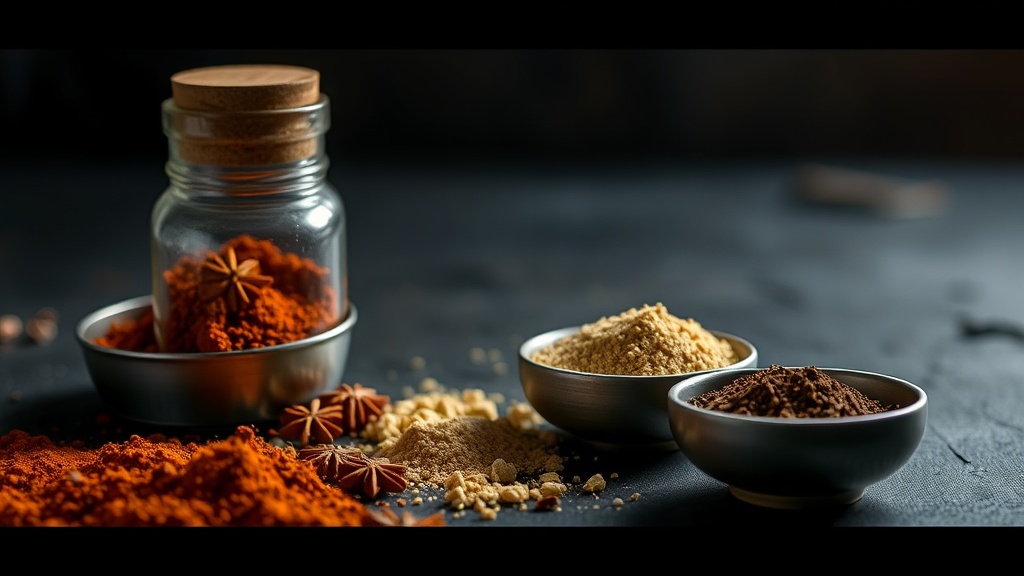
Why Your Whole Spices Taste Like Nothing

Imagine you've just finished a long day. You're making a slow-simmering beef stew or a fragrant curry. You follow the recipe to the letter, tossing in that expensive jar of ground cumin and cinnamon you bought months ago. But when you lift the spoon to your mouth, the dish feels flat. There's no punch, no warmth, and no depth. The problem isn't your cooking technique or the quality of your meat; it's the spice. Pre-ground spices lose their volatile oils almost as soon as they hit the air, leaving you with nothing but colored dust that lacks the soul of the actual plant.
To get real flavor, you have to treat spices like fresh produce. If you want a kitchen that smells like a professional bistro, you need to change how you shop and how you treat your pantry. This isn't just about being a "foodie"; it's about the physics of flavor. When a spice is whole, its essential oils are trapped inside a protective shell. The moment you grind it, those oils begin to oxidize and vanish. If you're using pre-ground spices from the supermarket, you're often paying for a product that has already lost half its potential.
Why does pre-ground spice lose flavor so fast?
The culprit is oxidation. When spices are ground into a fine powder, the surface area increases exponentially. While this makes them easy to stir into a sauce, it also exposes every tiny particle to oxygen. Once that happens, the volatile organic compounds—the stuff that actually makes your tongue tingle—start to evaporate. This is why a jar of ground turmeric might look vibrant and yellow, but taste like nothing but chalky earth.
Think about the difference between a fresh lemon and a bottle of lemon juice. The fresh fruit is alive with zest and acidity; the bottled juice is a shadow of its former self. Whole spices work the same way. A cinnamon stick holds onto its oils until you break it apart. A peppercorn keeps its heat locked inside its tough skin until the moment it's crushed. If you want to avoid that flat, dull taste in your home cooking, you have to stop relying on the convenience of the ground stuff. It's a trade-off between five seconds of grinding and a meal that actually tastes like something.
How do I store spices to keep them fresh?
Storage is where most people fail. You might think a spice rack in the kitchen is the best place for your ingredients, but you're actually creating a graveyard for flavor. Heat and light are the enemies of a good pantry. If you keep your spices directly above the stove or right next to the oven, the constant temperature fluctuations are destroying them.
Here are the golden rules for a high-functioning spice collection:
- Avoid the Heat: Never store spices near the stove, oven, or dishwasher. The heat from these appliances will cook the oils right out of the spice.
- Keep It Dark: Light, especially sunlight, breaks down the chemical structures of spices. Use opaque containers or keep your jars inside a dark pantry.
- Watch the Humidity: Steam from a boiling pot can enter your spice jars if you aren't careful. This leads to clumping and even mold growth.
- Use Glass, Not Plastic: While plastic is common, glass is better at preventing odors from seeping through and is easier to clean.
If you want to see how professional chefs handle high-volume seasoning, look at the standards set by organizations like the Culinary Institute of America. They emphasize the importance of ingredient integrity from the moment of purchase to the moment of service.
Can I toast spices to improve the taste?
Yes, and you absolutely should. Toasting is the process of applying gentle heat to whole spices to release their oils before you grind them. This is a game-changer for any recipe that calls for depth. When you toss whole cumin seeds or coriander in a dry pan over medium heat, you'll hear them start to pop and smell incredibly fragrant. That smell is the sign of the oils being released.
The process is simple: place your whole spices in a heavy-bottomed skillet over medium-low heat. Shake the pan occasionally to ensure even heat distribution. You aren't looking to burn them; you just want to reach the point where the aroma fills the room. Once they look slightly toasted or darkened, remove them from the heat immediately. If you leave them in the pan, the residual heat will continue to cook them and they'll go from "fragrant" to "burnt" in seconds.
Once toasted, you can grind them in a mortar and pestle or a dedicated spice grinder. This method provides a layer of flavor that a pre-ground jar simply cannot replicate. It's the difference between a flat, one-dimensional dish and a complex, layered experience. For more technical advice on spice-driven cooking, the Serious Eats testing labs have extensive documentation on how heat affects various flavor profiles.
The Essential Toolkit for Spices
To move away from the pre-ground trap, you need a few specific tools in your kitchen. You don't need a professional-grade laboratory, but a few basics will make the difference between a mediocre meal and a great one.
- A Mortar and Pestle: This is the gold standard. It allows you to crush spices with control, whether you want a coarse grind for a rub or a fine powder for a spice paste.
- A Small Electric Spice Grinder: If you find the manual labor of a mortar and pestle too much, a dedicated electric grinder is a great secondary tool. Just make sure it's dedicated to spices only—you don't want your cinnamon-scented coffee to taste like cumin.
- High-Quality Glass Jars: Invest in small, airtight glass jars. This keeps the air out and the flavor in.
By making these small adjustments to your pantry habits, you aren't just cooking; you're managing flavor. It takes a little more effort to toast and grind your own spices, but the payoff is immediate. You'll notice the difference in your stews, your rubs, and your baking. Your food will stop being "fine" and start being memorable. Don't let your ingredients die on the shelf; give them the heat and the care they need to actually perform.