Why Your Cast Iron Skillet Is Actually Better When It Looks Used

The Hidden Truth About Seasoning and Carbonization
Most people assume a single scratch or a bit of discoloration means a pan is ruined, but the reality is that a seasoned cast iron skillet is a living, breathing tool. In fact, many high-end professional kitchens rely on heavily used pans because the layer of carbonized oil provides a natural nonstick surface that modern coatings simply can't replicate. This post explores why you shouldn't fear the patina, how to maintain it, and why skipping the cleaning process might actually be your best way to build a better kitchen tool.
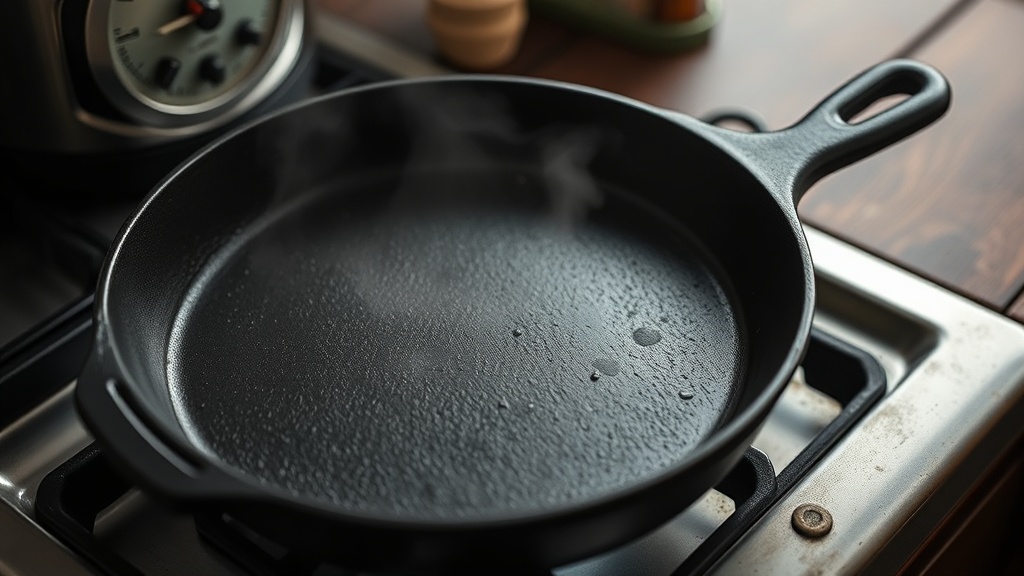
A common mistake is treating cast iron like a delicate piece of porcelain. It isn't. The dark, slightly textured surface you see on a well-used pan isn't dirt; it's a polymerized layer of fat and heat. This layer—often called a patina—is what makes the pan a kitchen workhorse. When you cook with fats, they undergo a chemical reaction that binds them to the metal, creating a barrier that prevents food from sticking and adds a deep, savory flavor to your meals.
Can You Use Soap on Cast Iron?
The short answer is yes, but with caveats. The old myth that soap will strip your seasoning is largely a relic of the past. Modern dish soaps don't contain the harsh lye found in the early 20th century, so a little bit of mild soap and warm water won't kill your patina. What will ruin your pan is leaving it to soak in a sink for hours or using steel wool to scrub away the surface. You want to remove the food bits, not the polymerized oil underneath.
If you find yourself with a stubborn bit of stuck-on protein, try these steps:
- The Salt Scrub: Use coarse kosher salt and a paper towel to scrub the surface. It acts as a gentle abrasive that lifts food without stripping the seasoning.
- The Water Simmer: Add an inch of water to the pan and bring it to a simmer on the stove. The heat will loosen the debris naturally.
- The Vinegar Soak: If you have rust (which is rare but happens if left wet), a small amount of vinegar can help, but don't leave it too long.
Why Is My Cast Iron Pan Sticking?
If your eggs are sticking to the pan like glue, it's usually a sign of one of three things: temperature, moisture, or a lack of a fresh fat layer. Even the most seasoned pan needs a little help if you're working with delicate proteins. If the pan isn't hot enough before you add your fat, the food will bond to the metal. If it's too hot, you'll burn the fat and create a sticky, blackened residue instead of a smooth glide.
Check your heat management. Cast iron has incredible thermal mass, meaning once it gets hot, it stays hot. You don't need to blast it on high heat for twenty minutes. A medium heat setting is often more than enough for most tasks. If you notice a "bald spot" where the seasoning looks thin or shiny, it's time to re-season. You can find detailed chemical breakdowns of how oil polymerizes via