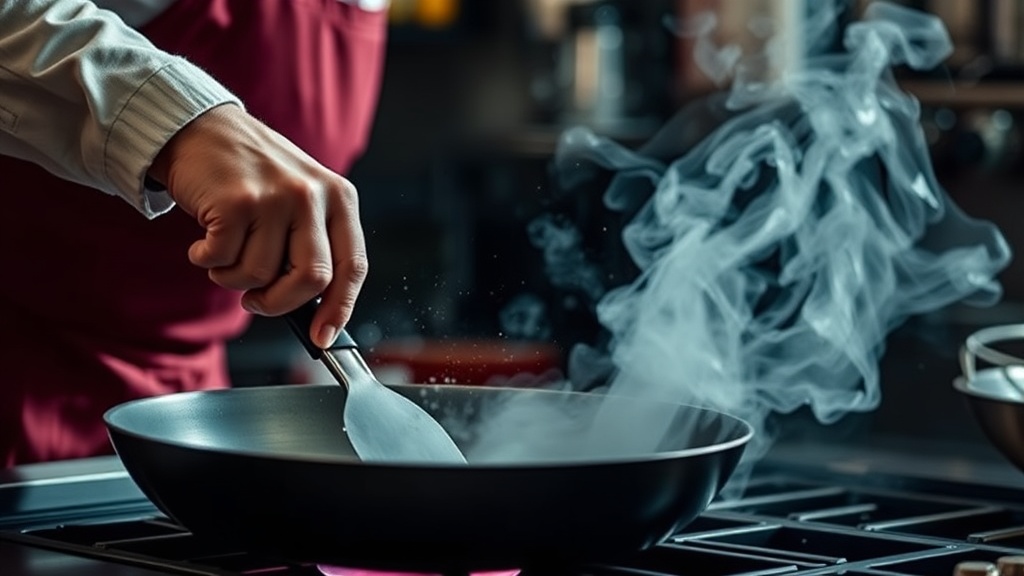
Why Chefs Are Ditching Non-Stick for Carbon Steel Pans

Why Does Food Stick to Some Pans But Not Others?
You've been there — that moment when you're searing a beautiful piece of salmon and it decides to weld itself to the pan. Or when your perfectly seasoned eggs transform into a scrubbing nightmare. Non-stick pans promise easy release, but they scratch, they wear out, and they can't handle high heat. Cast iron gets all the glory for heat retention, but it's heavy — sometimes painfully so. What if there's a middle ground that combines the best of both worlds? Carbon steel pans have been the secret weapon of professional kitchens for decades, and they're finally making their way into home cooks' hands. Here's why you might want to make room for one in your cookware collection.
Carbon steel isn't new — it's been around since the 19th century. French restaurants have used these pans for everything from crêpes to steaks since before your grandmother was born. The material is simple: about 99% iron and 1% carbon. That tiny bit of carbon makes the steel harder and more durable than its cast iron cousin while keeping it surprisingly lightweight. A 12-inch carbon steel skillet typically weighs around 4 pounds, compared to 7 or 8 pounds for cast iron of the same size. Your wrists will notice the difference immediately.
How Do You Season a Carbon Steel Pan Properly?
Here's where carbon steel gets interesting — and where most people get nervous. Like cast iron, carbon steel needs seasoning. But unlike cast iron's rough, porous surface, carbon steel starts smooth. When you unbox a new carbon steel pan, it comes coated in a protective layer of beeswax or mineral oil to prevent rust. Your first job is removing that coating (hot water and soap work fine here — yes, soap on a new pan is okay) and building up your own seasoning layer.
The process intimidates people, but it's straightforward. Heat the pan until it's smoking hot. Add a thin layer of oil with a high smoke point — grapeseed, avocado, or refined sunflower oil all work well. Swirl it around, wipe out the excess with a paper towel (tongs help here unless you like burning your fingers), and keep heating until the oil polymerizes. You'll know it's working when the pan darkens and develops that characteristic black patina. This isn't a one-time project — the pan keeps getting better with use. Every time you cook with oil, you're adding another microscopic layer of protection.
The first few cooks might be tricky. Eggs might stick a little. Don't panic — just scrub the pan with coarse salt and a paper towel, reheat it, add a thin layer of oil, and keep going. Within a week or two of regular use, you'll have a surface that rivals any non-stick coating — except this one won't scratch when you use metal utensils or start degrading when you crank the heat.
What Can You Cook in Carbon Steel That Other Pans Can't Handle?
This is where carbon steel earns its keep. Non-stick pans top out around 500°F before their coatings start breaking down and releasing questionable fumes. Cast iron can handle high heat, but it takes forever to get there — and even longer to cool down when you need to adjust temperature quickly. Carbon steel heats up fast (it's thinner) and responds to temperature changes almost as quickly as stainless steel.
That responsiveness matters. When you're stir-frying — real stir-frying, not just pushing vegetables around a pan — you need screaming hot temperatures. Carbon steel woks are the standard in Chinese cooking for exactly this reason. You can get the pan ripping hot, toss in your ingredients, and maintain that high heat throughout cooking. The same applies to searing steaks. A carbon steel skillet can reach temperatures that create proper Maillard reactions — that beautiful brown crust that makes restaurant steaks taste like restaurant steaks.
Your cast iron skillet can sear a steak, sure. But try making a pan sauce afterward. The acidic wine or stock can strip fresh seasoning from cast iron and give your sauce metallic undertones. Carbon steel handles acidic ingredients better once it's well-seasoned. Deglazing with wine, reducing sauces with tomatoes, finishing with lemon juice — all fair game.
Here's a real test: try making crêpes. The even heat distribution of carbon steel means no hot spots creating dark patches on your delicate pancakes. The smooth surface lets you swirl batter thin and even. French cooks have known this for generations — that's why carbon steel crêpe pans are standard equipment in Brittany.
How Do You Clean and Maintain Carbon Steel for the Long Haul?
Let's be honest about the maintenance. Carbon steel isn't set-it-and-forget-it like stainless steel. It reacts to water — specifically, it rusts if you leave it wet. The good news? Maintenance takes about thirty seconds if you build the habit.
After cooking, while the pan is still warm, rinse it with hot water. Use a soft sponge or a chainmail scrubber for stuck bits. No soap — or at least, minimal soap. Mild dish soap won't destroy your seasoning, but harsh detergents will strip it over time. Dry the pan immediately and thoroughly. Put it back on a low burner for a minute to evaporate any remaining moisture, then wipe a thin layer of oil over the surface with a paper towel. That's it. The pan stays on the stove, ready for next time.
What if you mess up and the pan rusts? It's not ruined — it's just steel. Scrub the rust with steel wool or a scrubbing pad, wash with soap, dry thoroughly, and reseason. The pan doesn't hold grudges. Some cooks actually prefer buying used carbon steel pans with decades of seasoning built up. That black, glassy surface doesn't come from a factory — it comes from years of cooking.
For storage, keep carbon steel somewhere dry. If you stack it with other pans, put a paper towel or pan protector between surfaces to prevent scratching. The seasoning is tough, but metal-on-metal contact can damage it.
Which Carbon Steel Pan Should You Buy First?
Start with a 10 or 12-inch skillet — it's the workhorse size. The Made In Blue Carbon Steel line gets consistent praise for smooth factory finishing and comfortable handles. Matfer Bourgeat has been making carbon steel pans since 1814, and their black steel skillet remains a professional kitchen staple. For something more budget-friendly, the Lodge Carbon Steel Skillet offers solid performance at a lower price point, though the surface starts rougher and takes longer to develop that slick patina.
Handle design matters more than you'd think. Carbon steel gets hot — all over. Look for pans with hollow handles that stay cooler longer, or plan on keeping oven mitts handy. Some French designs have handles that angle upward, keeping your hand further from the heat source. Weight distribution affects flipping and tossing. If you can handle a pan in person before buying, do it.
Don't abandon your other pans immediately. Carbon steel shines for high-heat cooking and foods that need to move freely, but it won't replace your non-stick for delicate fish or your cast iron for long, slow braises. Think of it as another tool in your arsenal — one that bridges the gap between responsive stainless steel and slick non-stick surfaces.
The learning curve exists, but it's shorter than you think. Within a month of regular use, you'll wonder why you waited so long. There's something deeply satisfying about cooking on a surface you've built yourself — layer by layer, meal by meal. The patina tells a story. Your story. And unlike that scratched non-stick pan gathering dust in your cabinet, this one only gets better with age.
"The best pan is the one you actually use. Carbon steel earns its place through versatility — it handles high heat, responds quickly, and develops character you can't buy off a shelf."
Ready to try one? Season it well, cook something that benefits from serious heat, and don't look back. Your non-stick pans will understand — they'll still be there when you need them for eggs on lazy Sunday mornings. But for everything else? Carbon steel might just become your new favorite.