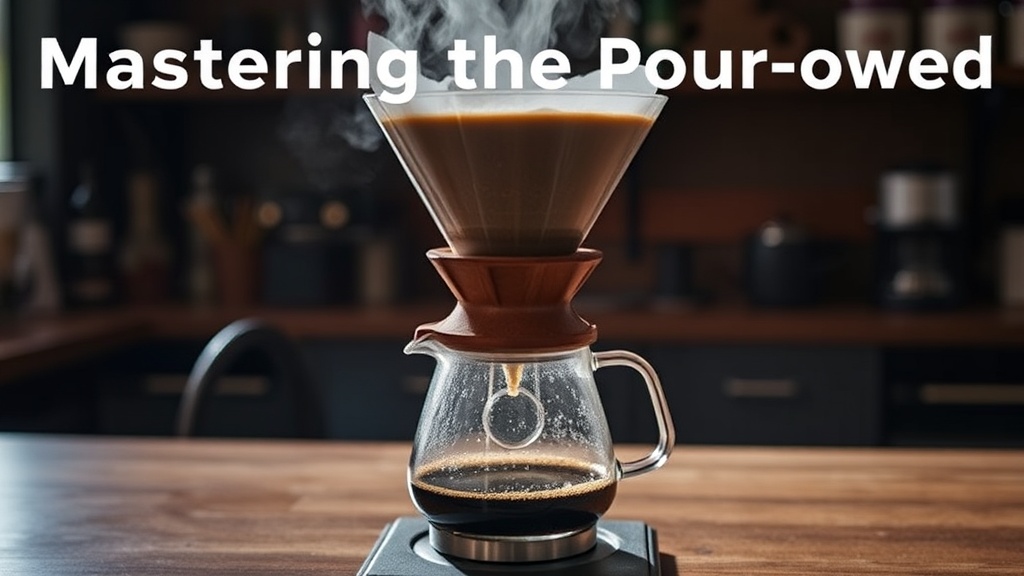
Mastering the Pour-Over: A Complete Guide to Better Home Coffee

This guide covers everything needed to master pour-over coffee at home—from choosing the right equipment to nailing the technique that brings out the best in every bean. Pour-over brewing gives complete control over extraction, water temperature, and flow rate, resulting in a cleaner, more nuanced cup than automatic machines typically deliver. Whether upgrading from a basic drip maker or refining an existing routine, the following steps will transform morning coffee into something worth waking up for.
What Equipment Do You Actually Need for Pour-Over Coffee?
Start with a solid foundation. The beauty of pour-over lies in its simplicity—no electronics, no complicated machinery, just you and a few well-chosen tools.
The dripper sits at the center of the setup. The Hario V60 (available in ceramic, glass, or plastic) dominates coffee shops for good reason—its spiral ribs and large single hole allow precise flow control. The Chemex combines brewing vessel and carafe in one elegant hourglass design, producing an exceptionally clean cup thanks to its thick bonded filters.
Here's the thing—dripper material matters. Ceramic retains heat beautifully but preheating takes longer. Plastic heats instantly and travels well. Glass looks stunning on a countertop. Each works; the choice depends on priorities.
Other necessities:
- Gooseneck kettle — The narrow spout controls water flow with surgical precision. The Fellow Stagg EKG includes temperature control (a worthwhile upgrade), though any gooseneck beats a standard kettle.
- Burr grinder — Consistent grind size matters more than almost anything. The Baratza Encore hits the sweet spot for home use at around $150. Blade grinders produce uneven particles that extract unpredictably—avoid them entirely.
- Scale — Eyeballing measurements leads to inconsistent results. A basic digital scale measuring to the gram (the Hario V60 Drip Scale works well) ensures the coffee-to-water ratio stays locked in.
- Filters — Paper filters remove oils and sediment. Bleached white filters (rinse before brewing) avoid the papery taste sometimes found in unbleached natural ones. Metal filters let more oils through for a heavier body.
| Equipment | Budget Option | Premium Option | What It Affects |
|---|---|---|---|
| Dripper | Hario V60 Plastic ($8) | Chemex 6-Cup ($45) | Body, clarity, heat retention |
| Grinder | Timemore Chestnut C2 ($80) | Baratza Virtuoso+ ($250) | Extraction consistency, flavor clarity |
| Kettle | Cosori Gooseneck ($40) | Fellow Stagg EKG ($165) | Pour control, temperature accuracy |
| Scale | AWS LB-3000 ($15) | Acaia Pearl ($150) | Precision, consistency |
What's the Right Coffee Grind Size for Pour-Over?
Medium-fine—roughly the texture of kosher salt or coarse sand—works best for most pour-over methods. Too fine and the water chokes, over-extracting bitter compounds. Too coarse and the water rushes through, leaving the cup thin and sour.
The catch? Grind size interacts with brew time. A V60 with its open design tolerates a slightly finer grind than a flat-bottomed dripper like the Kalita Wave. Experimentation trumps dogma here.
Fresh grinding matters enormously. Pre-ground coffee loses aromatics within minutes. Whole beans stay vibrant for 2-3 weeks after roasting (check the roast date, not the expiration date). Store beans in an airtight container away from light—nothing fancy required, a mason jar in a cabinet works fine.
Worth noting: dark roasts extract faster than light roasts. If switching from a caramel-colored French roast to a light Ethiopian single origin, coarsen the grind slightly to compensate. The lighter roast needs more contact time to fully develop its complex acidity and fruit notes.
How Do You Actually Brew the Perfect Pour-Over?
Start with a 1:16 coffee-to-water ratio—about 30 grams of coffee to 500 grams of water yields roughly two mugs. Adjust to taste; some prefer the intensity of 1:15, others the delicacy of 1:17.
The bloom phase sets everything up. Pour just enough water (roughly double the coffee weight—so 60g water for 30g coffee) to saturate the grounds. Fresh coffee will puff up, releasing trapped carbon dioxide. This degassing prevents sour, uneven extraction. Wait 30-45 seconds. Stale coffee barely blooms—another reason to buy fresh.
Now the main pour. Start from the center, spiraling outward in slow, controlled circles. Keep the water level consistent—never let the bed dry out completely, never flood it. The goal: maintain about half an inch of water above the coffee bed throughout.
Total brew time should land between 2:30 and 3:30 minutes depending on dose and grind. Under 2:30? Grind finer. Over 4:00? Coarsen up. Small adjustments—one click on a grinder—make noticeable differences.
That said, don't obsess over the timer. Taste ultimately decides. A sour, thin cup needs finer grind or longer contact time. Bitter, harsh flavors indicate over-extraction—coarsen the grind or pour faster.
The Temperature Factor
Water between 195°F and 205°F extracts optimal flavor (just off boiling). Dark roasts prefer the lower end—scorching them brings out ashy bitterness. Light roasts benefit from hotter water to break down dense cellular structure.
Without a variable-temperature kettle? Boil water, then let it sit 30 seconds. This drops the temperature roughly to the target zone. Simple, effective.
Which Pour-Over Method Should You Choose?
Each dripper design produces distinct results. Understanding the differences helps match equipment to preferences.
The Hario V60 rewards precision. Its large hole and minimal restriction mean grind size and pour technique heavily influence the cup. Master it and the coffee sings—mess up and flaws amplify. Best for: those willing to practice, light roasts, and anyone chasing floral, tea-like clarity.
The Chemex filters more aggressively. Its proprietary paper removes nearly all sediment and oils, producing a pristine, tea-bodied cup that showcases delicate origin characteristics. The thick filters slow extraction slightly—use a coarser grind. Best for: serving multiple people (brews 3-10 cups), those who dislike heavy body, and displaying beautiful equipment.
The Kalita Wave offers forgiveness. Its three small holes and flat bed restrict flow automatically, making consistent extraction easier for beginners. The trade-off? Less control, slightly less clarity than a well-executed V60. Best for: newcomers to pour-over, darker roasts, and busy mornings.
The Clever Dripper straddles immersion and pour-over. It steeps coffee like a French press, then drains through a paper filter when placed on a mug. Easier still, though purists debate whether it counts as true pour-over. Best for: those wanting cleaner French press-style coffee with zero technique required.
What Mistakes Ruin Pour-Over Coffee?
Even quality beans fall flat with these common errors.
Ignoring water quality. Coffee is 98% water. If tap water tastes chlorinated or metallic, the coffee will too. Brita-filtered water improves results dramatically. That said, distilled water lacks minerals needed for proper extraction—spring water or Third Wave Water (mineral packets) hits the ideal balance.
Pouring from too high. Water crashing into the bed from six inches agitates grounds excessively, causing uneven extraction. Keep the spout 1-2 inches above the coffee—close enough for control, far enough to maintain temperature.
Neglecting preheating. Pouring 200°F water into a cold ceramic dripper instantly drops temperature. Rinse the paper filter with hot water before adding coffee—this preheats the equipment and eliminates papery taste.
Eyeballing ratios. "About two scoops" varies wildly. Weighing coffee and water removes variables. Consistency builds skill—you can't troubleshoot what you can't measure.
Using boiling water directly. Rolling boil (212°F) scorches coffee, extracting harsh bitterness. The 30-second wait matters.
Troubleshooting Quick Reference
- Sour, thin, underwhelming → Grind finer, extend brew time, use hotter water
- Bitter, harsh, astringent → Grind coarser, shorten brew time, lower temperature
- Flat, muddy, lacking clarity → Check water freshness, grind more evenly, improve pour consistency
- Inconsistent between brews → Measure everything, check grinder burr alignment, use fresher beans
How Do You Maintain Pour-Over Equipment?
Clean equipment lasts longer and tastes better. Coffee oils go rancid quickly, leaving stale flavors that taint fresh brews.
Rinse the dripper immediately after use—dried coffee residue requires scrubbing that scratches ceramic over time. Weekly, soak metal and plastic drippers in Cafiza or similar espresso machine detergent to dissolve oil buildup. Never use soap on unglazed ceramic (like some V60 models); it absorbs flavors.
Burr grinders need attention too. Every few weeks, brush out residual grounds from the chamber. Monthly, run Grindz tablets (or uncooked rice in a pinch) through to clear oil-coated fines from the burrs. The Encore's burrs should be replaced annually with daily use.
Descale kettles monthly if you have hard water. White vinegar works—fill, boil, let sit 20 minutes, rinse thoroughly. Electric kettles with temperature sensors especially need this maintenance to stay accurate.
Here's the thing about obsession: at some point, you have to just brew and enjoy. The gear, the technique, the rituals—they serve the coffee, not the other way around. Start with decent equipment, fresh beans, and basic ratios. Refine from there. The best pour-over in the world is the one in your hand right now.