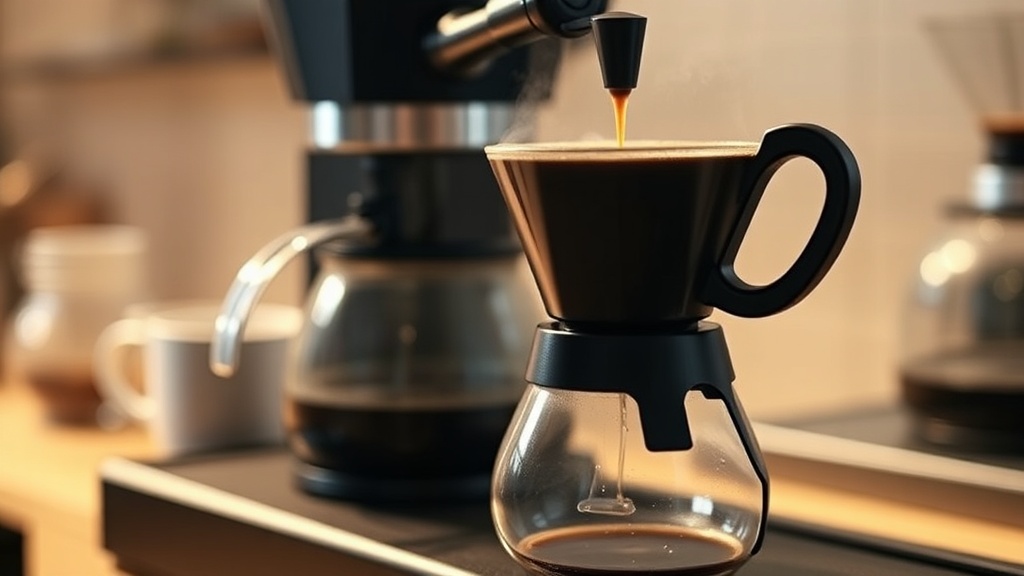
5 Coffee Brewing Mistakes Ruining Your Morning Cup

Using Water That's Too Hot or Too Cold
Grinding Your Beans Too Far in Advance
Ignoring the Coffee-to-Water Ratio
Skipping Regular Cleaning of Your Equipment
Buying Pre-Ground Supermarket Coffee
Morning coffee should taste good. Too often, it doesn't. This post breaks down five common brewing mistakes that turn a promising batch of beans into a flat, bitter, or sour disappointment—and exactly how to fix each one. Whether you're using a $20 drip machine from Target or a $300 pour-over setup, these errors cost you flavor every single day. The good news? Every single one is fixable by tomorrow morning.
Why Does My Coffee Taste Bitter?
Bitter coffee usually means over-extraction—too much flavor pulled from the grounds, often by water that's too hot or contact time that's too long. (Think of it like wringing a sponge until only the rough fibers remain.) When hot water sits on coffee grounds for too long, it pulls out chlorogenic acids and other compounds that taste harsh, dry, and astringent.
The ideal brewing temperature sits between 195°F and 205°F, according to the Specialty Coffee Association. Many cheap drip machines blast water well above 210°F, scorching delicate Arabica beans and extracting those harsh compounds. That said, bitterness isn't always the machine's fault. Leaving a French press to steep for eight or ten minutes does the same damage. Even a beautiful light roast from a local roaster will taste like burnt toast if you forget to press the plunger.
Here's the thing: darker roasts extract faster than light roasts. A bag of French roast from Counter Culture Coffee will turn bitter far sooner than a bright Ethiopian single origin. If your brew tastes like charcoal, try shortening the contact time by thirty seconds or lowering the water temperature five degrees. Pre-ground coffee also contributes to bitterness because the fine dust created during grinding over-extracts while the larger boulders under-extract. Taste the difference side by side and you'll never go back.
The catch? Most basic kettles don't show exact temperatures. The Fellow Stagg EKG gives precise control down to the degree and looks great on a counter. For drip users, the Bonavita BV1900TS heats water to the SCA-certified range automatically. Both solve the burn problem without any guesswork. Even simpler: if you're boiling water in a basic kettle, let it sit off the heat for forty-five seconds before pouring. That small pause can drop the temperature from 212°F down into the safe zone.
How Much Coffee Should You Use Per Cup?
The standard ratio is one to two tablespoons of ground coffee per six ounces of water—or about 1:15 to 1:17 by weight for optimal results. Most people simply don't use enough beans, which produces thin, lifeless cups that taste more like dirty water than actual coffee. Scooping with a tablespoon is convenient, but it's wildly imprecise.
Eyeballing scoops leads to inconsistency day after day. A "heaping tablespoon" varies wildly depending on grind size and who's holding the spoon. (Coarse French press grounds take up significantly more volume than fine espresso grounds, after all.) The fix is simple: buy a digital scale. The Hario V60 Drip Scale costs around $50 and measures to 0.1 grams—precise enough for any home setup. The Acaia Pearl is the prosumer choice at $150, with a timer built in and Bluetooth connectivity for the data-obsessed. Weighing the dose takes ten extra seconds. Those ten seconds separate mediocre coffee from something genuinely memorable.
Worth noting: mug size matters more than most people think. A standard American mug holds ten to twelve ounces, not six. If you're brewing into a big ceramic cup, you'll need closer to twenty-two grams of coffee, not twelve. Here's the thing—most automatic drip machines are calibrated for smaller cups, so following the manufacturer's scoop recommendation often under-doses the basket. The result? A full pot that's weak from the first sip.
For pour-over fans, a 1:16 ratio works well as a starting point. That's 25 grams of coffee to 400 grams of water. For French press, go slightly stronger—1:15—because the metal filter lets fewer oils through than a paper filter. Experiment in small increments. Moving from 20 grams to 22 grams in a 350-gram pour-over can completely transform the cup's sweetness and body.
Why Is Your Homemade Coffee Weak and Watery?
Weak coffee almost always comes from a grind that's too coarse for the brewing method, allowing water to rush through without picking up enough soluble flavor. It's the opposite problem of bitterness—but equally frustrating when you're hoping for something with real body and complexity. Under-extracted coffee tastes sour, salty, and thin.
Different brewers need different grind sizes. Pre-ground coffee from the grocery store is typically ground for auto-drip machines. Pour it into an espresso portafilter and you'll get a sour, under-extracted mess in fifteen seconds. Use it in a French press and the fine particles slip through the mesh screen, leaving sludge at the bottom of your mug.
| Brew Method | Grind Size | Texture Comparison | Example Equipment |
|---|---|---|---|
| Cold Brew | Extra Coarse | Ground peppercorns | Toddy Cold Brew System |
| French Press | Coarse | Sea salt | Bodum Chambord |
| Auto Drip | Medium | Sand | OXO Brew 8-Cup, Breville Precision Brewer |
| Pour-Over | Medium-Fine | Granulated sugar | Hario V60, Chemex |
| Espresso | Fine | Table salt | Breville Barista Express |
| Turkish | Extra Fine | Flour | Cezve on stovetop |
The Baratza Encore remains the entry-level gold standard for home grinding. At roughly $150, it offers forty grind settings—enough range to handle everything from cold brew to AeroPress. Blade grinders (the cheap ones with a spinning propeller) chop beans unevenly, creating a mix of boulders and dust that extracts inconsistently. Burr grinders crush beans between two abrasive surfaces, producing uniform particle sizes that extract evenly.
That said, even a great grinder won't save pre-ground coffee. The National Coffee Association notes that coffee begins losing aroma within minutes of grinding. Whole beans stay fresh for weeks when stored properly; ground coffee goes stale in a matter of hours. If you're buying pre-ground Starbucks or Dunkin' bags, you're starting behind. Grind fresh. The difference is immediate.
Does Tap Water Ruin Your Morning Brew?
Yes—if it's too hard, too soft, or flavored with chlorine and other chemicals, tap water can flatten or distort coffee flavor more than almost any other variable. Coffee is roughly 98% water. Bad water equals bad coffee, full stop. You can spend $40 on a bag of Gesha beans and still end up with a flat, metallic cup if your water comes from an over-chlorinated municipal supply.
Hard water (high in calcium and magnesium) can make coffee taste dull and chalky. It also leaves scale buildup inside your machine, shortening the lifespan of everything from a basic Mr. Coffee to a high-end Breville. Extremely soft water (reverse osmosis or distilled) produces flat, sour cups because it lacks the minerals needed to extract flavor properly. The Specialty Coffee Association recommends a total dissolved solids (TDS) level between 75 and 250 parts per million for brewing.
Nashville tap water tends to run moderately hard—plenty of limestone in the Middle Tennessee region. If you're brewing at home in Germantown or East Nashville, a simple charcoal filter (like a Brita pitcher) usually brings things into balance. For enthusiasts, Third Wave Water mineral packets let you add precise mineral content to distilled water. It's overkill for some. For others, it's the difference between a cup that's "fine" and one that's genuinely delicious.
Here's the thing: temperature and water quality are linked problems. Boiling water straight from the kettle—212°F—over-extracts and burns the grounds. Let it rest thirty seconds off the boil, or use a variable-temperature kettle. The Fellow Stagg EKG and the Brewista Smart Pour II both hold temperature steady, which matters more than most casual drinkers realize. If your coffee tastes burnt and bitter, fix the temperature before blaming the beans.
Are You Brewing Coffee With Stale Beans?
If your beans were roasted more than three or four weeks ago, they're probably past peak flavor—no matter how expensive they were or how fancy your grinder. Coffee is an agricultural product. It stales. Oxygen, light, heat, and moisture all attack the aromatic oils that make coffee taste like coffee rather than brown, bitter water.
The catch? "Best by" dates on grocery store bags are often misleading. They can be twelve months from the roasting date. What you want is a "roasted on" date printed clearly on the bag. Local roasters like Steadfast Coffee in Nashville's Germantown neighborhood print roast dates in bold. National mail-order roasters like Blue Bottle Coffee and Intelligentsia do the same, often shipping beans within 48 hours of roasting.
Storage matters too. The freezer isn't your friend here. (Condensation forms every time you pull the bag out, accelerating oxidation and introducing off-flavors.) Instead, keep beans in an airtight container away from sunlight and heat sources. The Fellow Atmos Vacuum Canister removes air with a satisfying twist of the lid, extending freshness by several days. It's a simple upgrade that pays off every morning.
That said, don't brew beans immediately after roasting, either. Coffee needs to degas for two to seven days post-roast. Brewing too early traps carbon dioxide in the grounds, causing uneven extraction and sour, bubbly flavors. Most roasters recommend waiting about four days for drip coffee and up to a week for espresso. Here's the thing—patience matters. A bag from Steadfast or Barista Parlor will taste better on day five than on day one. The aromatics fade first—those floral, fruity, or chocolate notes that make Ethiopian or Colombian beans interesting. What's left is bitterness and generic brown flavor.
Fixing these five mistakes doesn't require a $3,000 espresso machine or weeks of barista training. Start with fresh beans from a roaster you trust, filtered water at the right temperature, a proper grind, and a consistent ratio. Small changes stack up fast. Your morning cup deserves better—and with these adjustments, it'll taste like it.